
A Relaxed Dinner Outfit Built From Everyday Clothes
A Relaxed Dinner Outfit Built From Everyday Clothes. Practical fit checks, outfit decisions and buying advice for everyday life.
Shopping disclosure: retailer links in this story are ordinary links; we currently earn no commissions. If we add affiliate links in future, they will be identified. Our full disclosure.

A casual dinner invitation often sits between everyday dressing and occasionwear. The restaurant may be relaxed, the evening may include a walk and the table may be smaller than expected. Choose a familiar base and change one element before buying a complete outfit. That can feel considered while still letting you sit, eat and move without managing your clothes.
Start with a shirt you like
Straight jeans, a button shirt and comfortable shoes create a useful starting point. Dark denim offers a calm visual line, though a lighter pair works just as well if that is your preference. Smooth the shirt and choose a tuck you enjoy. A full tuck looks neat but may feel tight when seated. A loose shirt or partial tuck gives another option; check while sitting rather than only standing at a mirror.
A knit top and relaxed trousers are an alternative. The top can remain simple if the trouser shape is interesting to you. Give a necklace enough space at the neckline rather than adding details that compete. A favorite color, textured bag or distinctive sleeve can supply the focus. The aim is not to wear every accessory that might qualify as dressing up.
Think beyond the restaurant door
Check the coat before finalizing the outfit. Long sleeves can bunch inside a close jacket, making the walk uncomfortable. A cardigan is useful for an informal evening, while a structured jacket offers a different finish. Keep the base complete enough that removing the layer at the table feels natural. A warm room or limited coat storage can make that detail matter.
Choose shoes for the journey home too. Low heels can work if they already feel comfortable, but height is not required. Clean loafers, secure flats or understated sneakers suit many casual settings. Check the restaurant’s actual dress code when there is uncertainty. General outfit advice cannot replace that practical information.
A smaller bag may sit comfortably beside your chair, while a large work tote can be awkward under a crowded table. Move the evening essentials into an existing smaller bag if you have one. If you are going directly from work, tidy the tote rather than buying an accessory just for the invitation. Simple preparation can make everyday pieces feel ready for a different setting.
Compare the options for your day
| Situation | Starting point | Tradeoff |
|---|---|---|
| Neighborhood dinner | Jeans and shirt | Check venue requirements |
| Longer evening walk | Comfortable shoes and layer | Plan warmth for the return |
| Dressier setting | Relaxed trousers and knit | Prioritize fit over decoration |
A useful buying brief
Before browsing, focus on seated waistband comfort, tidy cuffs and easily removable layers. Make that your shortlist rather than trying to replace every piece in an outfit. Photograph two combinations from your wardrobe and compare the prospective addition with those real clothes. If a purchase requires several other purchases before it becomes useful, pause and reconsider the job it is supposed to do. A good choice should reduce friction in an ordinary day.
For tops, Everlane’s tee collection and UNIQLO’s shirts and blouses offer browsing starting points. Check the specific garment’s measurements, composition, care and current return terms. These are ordinary retailer links; the photographs illustrate scenes and do not identify pictured garments as products from those stores. For shoes and bags, use the same practical checklist wherever you usually shop.
Start with what is already in the wardrobe
Try a button shirt refreshed with careful steaming and a different tuck. Put the complete outfit together, including the shoes, outer layer and bag you intend to use. Sit, reach and walk rather than relying on a standing mirror check. Notice the piece you keep adjusting. That observation creates a useful shopping brief: a different sleeve, a more comfortable waistband or a better strap may solve the problem without an entirely new outfit.
Consider care as part of the cost. Read the instructions before deciding that a piece suits everyday wear. A garment that requires a routine you dislike may be worn less often than a simpler alternative. If your existing clothes already perform the job comfortably, repeating them is a worthwhile result. Buying advice should help you decide whether to purchase as well as what to purchase.
Common questions
Are jeans always appropriate?
No. Check the venue and invitation. Relaxed trousers offer a similar degree of comfort with a different finish.
How can the same shirt feel different?
Change the tuck, arrange the cuffs neatly or pair it with another trouser shape. Try styling changes before buying another shirt.
Keep reading
Straight Jeans Fit and Everyday Cardigan offer more ways to make familiar pieces work together.
A little more to adore
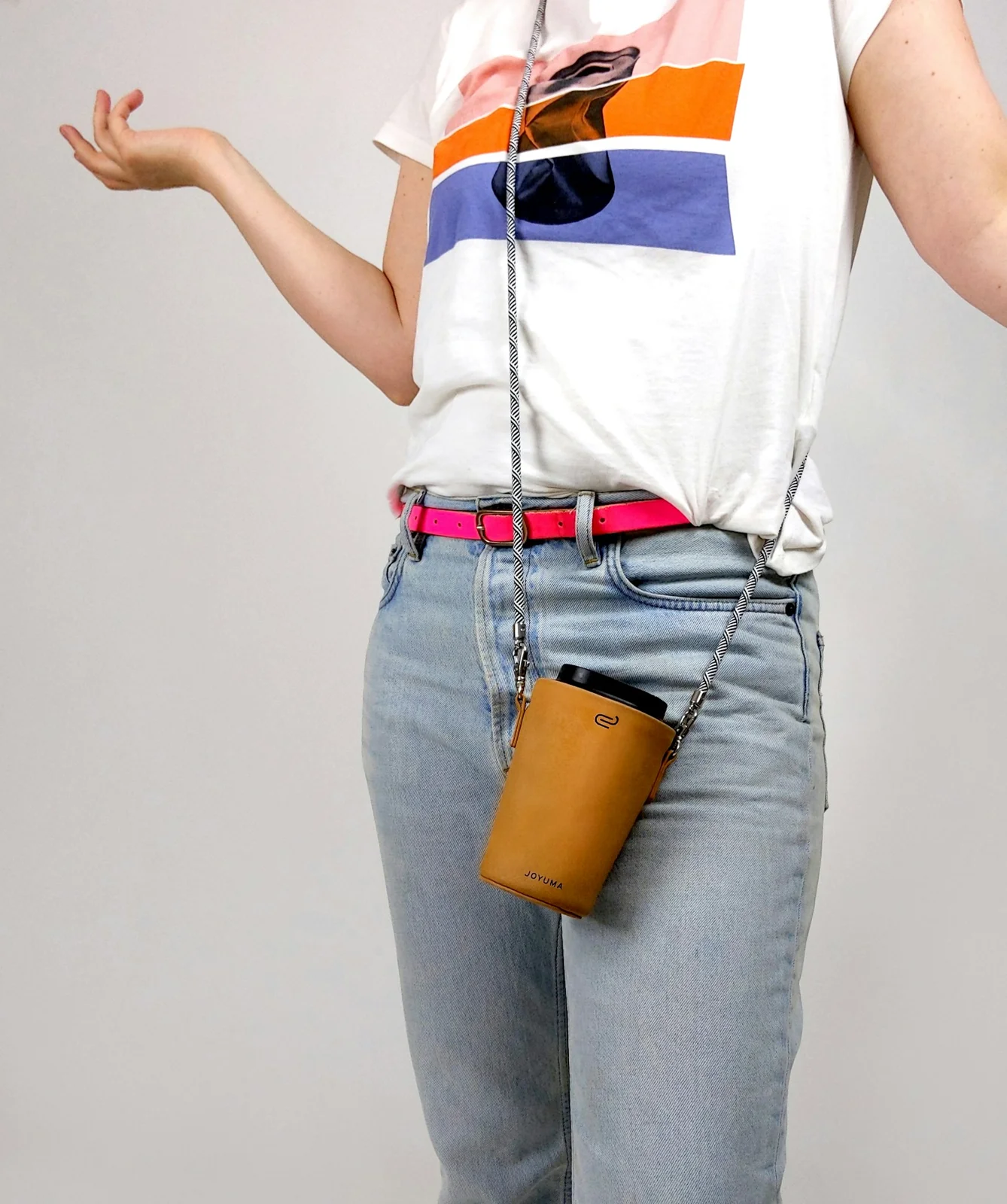
A Coffee-Run Outfit That Can Handle the Rest of Your Morning
A Coffee-Run Outfit That Can Handle the Rest of Your Morning. Practical fit checks, outfit decisions and buying advice for everyday life.
Read the story →
Rainy-Day Dressing Without a Wardrobe Overhaul
Rainy-Day Dressing Without a Wardrobe Overhaul. Practical fit checks, outfit decisions and buying advice for everyday life.
Read the story →