
A Weekend Packing List That Leaves Room to Breathe
Pack for two nights by planning actual outfits, choosing useful layers, and resisting just-in-case extras.
Shopping disclosure: retailer links in this story are ordinary links; we currently earn no commissions. If we add affiliate links in future, they will be identified. Our full disclosure.
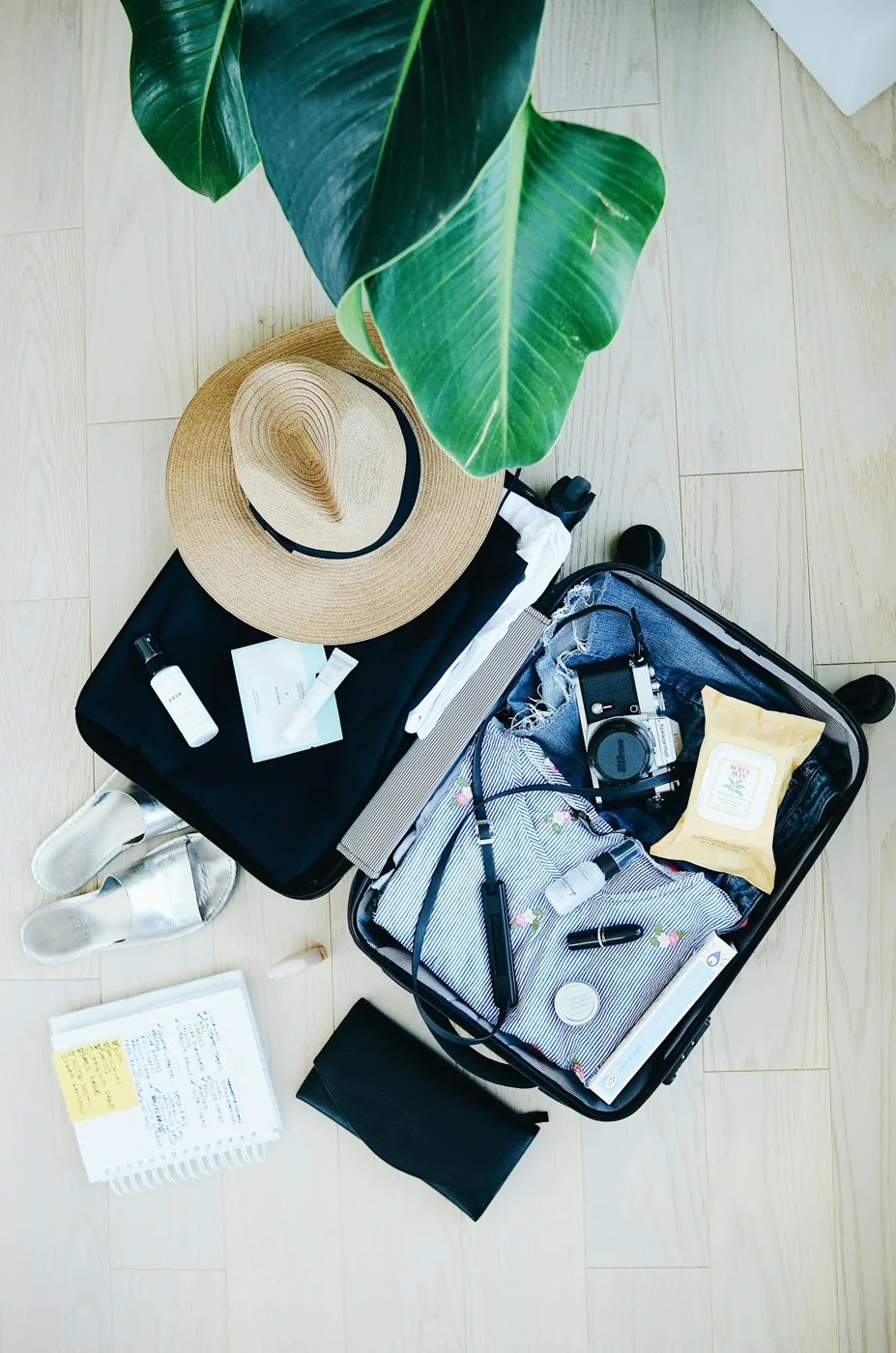
Packing for two nights can produce a surprising amount of luggage. Imagine a Friday departure after work, a Saturday of walking and a relaxed dinner, then a Sunday journey home. The challenge is deciding what those actual plans require rather than fitting an entire wardrobe into a smaller bag.
Begin with the itinerary, expected weather, and transport. A weekend by car allows different choices from one involving train changes and a long walk to accommodation. Check current carrier baggage requirements directly before travel rather than assuming a bag described as cabin-sized is accepted everywhere.
Plan outfits before individual items
Lay out one comfortable travel outfit and clothes for each planned activity. Look for overlap: trousers that work with both a daytime top and an evening shirt, or a layer that fits under outerwear. Wear the bulkiest useful shoes for travel if that suits the journey.
Do not force a tiny capsule if the trip involves genuinely different activities. A countryside walk and a dressier event may need separate footwear. The goal is sensible preparation. Count underwear and socks against actual trip length and personal needs, and check the forecast shortly before leaving.
Build around comfortable walking
Shoes you already know are comfortable are a sensible planning choice over an unfamiliar pair bought for the weekend. Consider the ground, weather, and amount of walking. A second pair can be justified for a dinner or wet activity; three pairs for vague possibilities deserve another look.
Include a removable layer for changes between indoors and outdoors. Check whether accommodation provides towels or a hair dryer before packing duplicates. Bring toiletries in suitable containers and follow transport and product instructions. Do not rely on an unspecified hotel amenity when you need a particular product.
| Weekend need | Pack deliberately | Skip without a clear reason |
|---|---|---|
| Travel and walking | Comfortable clothes and proven shoes | Several similar outfits |
| Relaxed dinner | Top that works with daytime bottoms | Complete extra look every evening |
| Cooler weather | Removable layer | Multiple bulky sweaters |
| Daily essentials | Chargers and documents as needed | Duplicate electronics |
Choose organizers after the load
Packing cubes and pouches separate categories, but are optional and do not change a carrier’s weight allowance. Fold the chosen clothing into your bag first. If small items scatter, a pouch can solve that issue. If the bag is overfilled, adding cubes will not remove excess clothing.
Look for dimensions matching the bag’s interior and a zipper opening wide enough to see contents. Soft sides fit irregular spaces; rigid cases offer structure but occupy fixed volume. A lightweight pouch can be more useful for one weekend than a large coordinated set.
For storing accessories at home between trips, compare formats in IKEA’s boxes and baskets category. This is a home organization link, not a suggestion that every container is suitable as luggage. Verify intended use and dimensions on the actual listing.
Keep essentials accessible
Put tickets, identification where required, and frequently used items somewhere reachable. If medication is part of your routine, plan for your needs and destination rules. Keep necessary guidance and original packaging where appropriate. Something needed during a delay should not be buried beneath the entire wardrobe.
A laundry bag separates worn clothing. An existing washable tote can do this job. Check whether shoes need a separate cover to protect clean items, and avoid placing wet belongings against dry clothing. Leave a little space for the return journey rather than packing every corner tightly.
The no-buy rehearsal
Pack once with your current bag, then carry it and check access to essentials. Remove things whose only justification is perhaps. Add something back when a real activity, weather condition, or personal need calls for it. A comfortable bag you already own may be entirely adequate.
After the trip, note what went unused and what was missing. This creates a list grounded in your own habits, which is more useful than buying accessories for someone else’s ideal weekend. Store the list where you will find it before your next departure.
Before departure
Are packing cubes worth buying?
They can help separate items or unpack quickly, but an existing pouch often does the job. Buy when organization is the recurring problem, rather than expecting a smaller wardrobe automatically.
Should you take a backup outfit?
Consider weather, activities, personal needs, and laundry access. One practical backup may be sensible; speculative evening looks add bulk without covering a clear need.
Prepare your return with the Sunday reset and organize everyday belongings with the entryway guide.
A little more to adore

Reading Corner Ideas for a Room You Already Have
Create a comfortable place for a few pages with thoughtful light, sensible storage, and an honest look at space.
Read the story →
A Relaxed Linen Table for an Ordinary Dinner
Set a welcoming table with linens, everyday plates, and realistic care choices without buying a complete collection.
Read the story →