
Choosing a Practical Tote for the Things You Really Carry
Choosing a Practical Tote for the Things You Really Carry. Practical fit checks, outfit decisions and buying advice for everyday life.
Shopping disclosure: retailer links in this story are ordinary links; we currently earn no commissions. If we add affiliate links in future, they will be identified. Our full disclosure.

A tote is easy to buy for an imaginary day: a notebook, a book and a neatly packed lunch. Actual contents may include a bottle, charging cable, receipts, a cardigan and an unexpected grocery purchase. Place your typical essentials together first. Their size and weight provide a better guide than a styled image showing almost nothing inside the bag.
Main bag or overflow bag?
A main bag usually benefits from secure access to phone, wallet and keys. An occasional overflow tote may need little organization because another bag carries those items. Internal pockets help some routines and frustrate others. Decide which objects need a predictable place and which simply need sufficient space. Do not pay for compartments you will ignore.
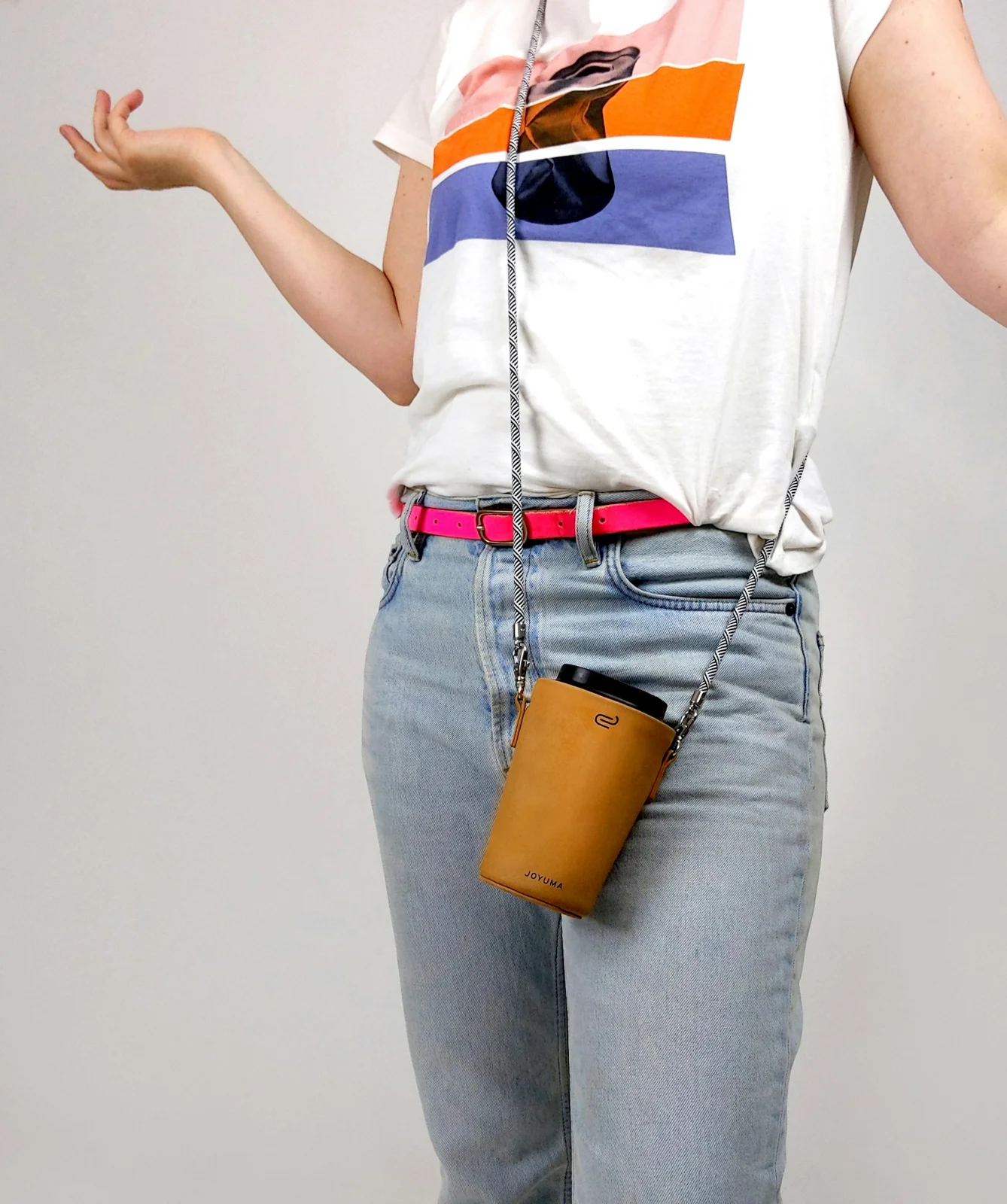
Handle drop changes comfort with outerwear. Try straps over the jacket or coat you wear most. A handle fitting over a tee can become tight over padding. Short handles suit carrying by hand but are less useful when both hands are busy. An optional crossbody strap only adds flexibility if the bag hangs comfortably when loaded. Consider whether its position interferes with walking or sitting.
Judge the bag with contents inside
Structured totes keep their shape but may have noticeable empty weight. Soft bags fold away but let small items slide toward the bottom. Neither is universally better. If you carry a laptop, compare internal dimensions with the device and its protective sleeve. A broad size description cannot establish fit or protection. Ask for specific information when the listing does not provide it.
Think about where the tote rests: train floor, cafe chair or damp entryway. Read cleaning guidance before assuming the material can be wiped or machine washed. Light shades can show marks while dark shades may conceal small ones; both still need care. Metal trim or decorative fittings can also catch on a cardigan or press against your arm.
Do a realistic packing trial with your current bag before buying another. Remove duplicate items and decide which things genuinely need to travel each day. A lighter load may solve the discomfort you hoped a new tote would fix. If capacity remains the problem, measure that organized group of essentials. This gives you a specific target instead of the vague idea that a larger bag must be better.
Compare the options for your day
| Situation | Starting point | Tradeoff |
|---|---|---|
| Laptop commute | Measured fit and separate protective sleeve | Size alone does not prove protection |
| Grocery overflow | Simple foldable tote | Valuables need secure storage |
| Everyday errands | Comfortable straps and key access | Avoid unused capacity |
A useful buying brief
Before browsing, focus on handle drop, practical closure, internal dimensions and empty weight. Make that your shortlist rather than trying to replace every piece in an outfit. Photograph two combinations from your wardrobe and compare the prospective addition with those real clothes. If a purchase requires several other purchases before it becomes useful, pause and reconsider the job it is supposed to do. A good choice should reduce friction in an ordinary day.
For tops, Everlane’s tee collection and UNIQLO’s shirts and blouses offer browsing starting points. Check the specific garment’s measurements, composition, care and current return terms. These are ordinary retailer links; the photographs illustrate scenes and do not identify pictured garments as products from those stores. For shoes and bags, use the same practical checklist wherever you usually shop.
Start with what is already in the wardrobe
Try a tote organized with a small pouch for loose essentials. Put the complete outfit together, including the shoes, outer layer and bag you intend to use. Sit, reach and walk rather than relying on a standing mirror check. Notice the piece you keep adjusting. That observation creates a useful shopping brief: a different sleeve, a more comfortable waistband or a better strap may solve the problem without an entirely new outfit.
Consider care as part of the cost. Read the instructions before deciding that a piece suits everyday wear. A garment that requires a routine you dislike may be worn less often than a simpler alternative. If your existing clothes already perform the job comfortably, repeating them is a worthwhile result. Buying advice should help you decide whether to purchase as well as what to purchase.
Common questions
Is a zipper essential?
That depends on your route. A secure closure can help on public transport; an open tote can suit occasional overflow carrying.
How big should it be?
Measure actual contents and consider loaded comfort. Capacity has little value if it encourages carrying more than you want.
Keep reading
Workday Layers and School Run Style offer more ways to make familiar pieces work together.
A little more to adore
How to Choose a Cotton Tee You Will Actually Repeat
How to Choose a Cotton Tee You Will Actually Repeat. Practical fit checks, outfit decisions and buying advice for everyday life.
Read the story →
An Everyday Cardigan That Works With Your Existing Tops
An Everyday Cardigan That Works With Your Existing Tops. Practical fit checks, outfit decisions and buying advice for everyday life.
Read the story →