
Workday Layers for a Chilly Office and a Warm Commute
Workday Layers for a Chilly Office and a Warm Commute. Practical fit checks, outfit decisions and buying advice for everyday life.
Shopping disclosure: retailer links in this story are ordinary links; we currently earn no commissions. If we add affiliate links in future, they will be identified. Our full disclosure.

A warm train platform and a cold desk create two dressing problems in one morning. A heavier outfit solves one and makes the other uncomfortable. Create a complete base outfit, then add a layer you can remove without leaving the outfit feeling unfinished. This approach also helps when a meeting room, cafe and home office all have different temperatures.
Build a base that works alone
Choose trousers and a shirt or tee that suit your workplace. In a casual office, a plain tee beneath a cardigan may be enough. In a more formal setting, a button shirt and jacket can offer a cleaner transition. Do not rely on the outer layer to conceal a shirt that pulls across the chest or trousers that pinch when seated. Comfort needs to begin underneath.
Test arm movement with both layers on. Reach toward a keyboard, cross your arms and lift a bag strap onto your shoulder. If the combination catches under the arms, sleeve volume may be the issue rather than your usual size. A thinner base beneath a roomier layer is often easier to arrange than two close sleeves competing for the same space.
Make the spare layer useful
If your routine allows it, keep a familiar cardigan near your desk. That can save you carrying every possible temperature option on each commute. Choose a color that works with the trousers you actually repeat. Navy, green, cream or a favorite bright shade can all serve this role. The most practical color is one you will reach for without reconsidering the entire outfit.
Think about carrying space. A structured jacket takes more room in a bag, while a cardigan usually folds more easily. Thick shoulder seams can bunch under tote straps, and a long knit may catch beneath you when seated. Try the complete combination before committing to a full workday. Neither a jacket nor a cardigan is automatically the smarter purchase; the choice follows your office expectations and how much you want to carry. Check whether the outer layer looks comfortable both open and closed, because your day may call for each arrangement.
Compare the options for your day
| Situation | Starting point | Tradeoff |
|---|---|---|
| Formal meeting | Shirt and roomy jacket | More bulk on the commute |
| Casual office | Tee and cardigan | Check workplace expectations |
| Shared workspace | Complete base and packable layer | Needs space in the bag |
A useful buying brief
Before browsing, focus on sleeve room, neckline compatibility and comfort at a desk. Make that your shortlist rather than trying to replace every piece in an outfit. Photograph two combinations from your wardrobe and compare the prospective addition with those real clothes. If a purchase requires several other purchases before it becomes useful, pause and reconsider the job it is supposed to do. A good choice should reduce friction in an ordinary day.
For tops, Everlane’s tee collection and UNIQLO’s shirts and blouses offer browsing starting points. Check the specific garment’s measurements, composition, care and current return terms. These are ordinary retailer links; the photographs illustrate scenes and do not identify pictured garments as products from those stores. For shoes and bags, use the same practical checklist wherever you usually shop.
Start with what is already in the wardrobe
Try an existing cardigan kept at work rather than a new commuting jacket. Put the complete outfit together, including the shoes, outer layer and bag you intend to use. Sit, reach and walk rather than relying on a standing mirror check. Notice the piece you keep adjusting. That observation creates a useful shopping brief: a different sleeve, a more comfortable waistband or a better strap may solve the problem without an entirely new outfit.
Consider care as part of the cost. Read the instructions before deciding that a piece suits everyday wear. A garment that requires a routine you dislike may be worn less often than a simpler alternative. If your existing clothes already perform the job comfortably, repeating them is a worthwhile result. Buying advice should help you decide whether to purchase as well as what to purchase.
Common questions
What if a cardigan looks too casual?
Try a smooth knit with your meeting trousers. If the workplace requires a jacket, keep that requirement first.
Should the base be sleeveless?
Only if you feel comfortable wearing it alone at work. A short sleeve or light shirt otherwise makes removing the outer layer easier.
Keep reading
Everyday Cardigan and Practical Tote Bag offer more ways to make familiar pieces work together.
A little more to adore
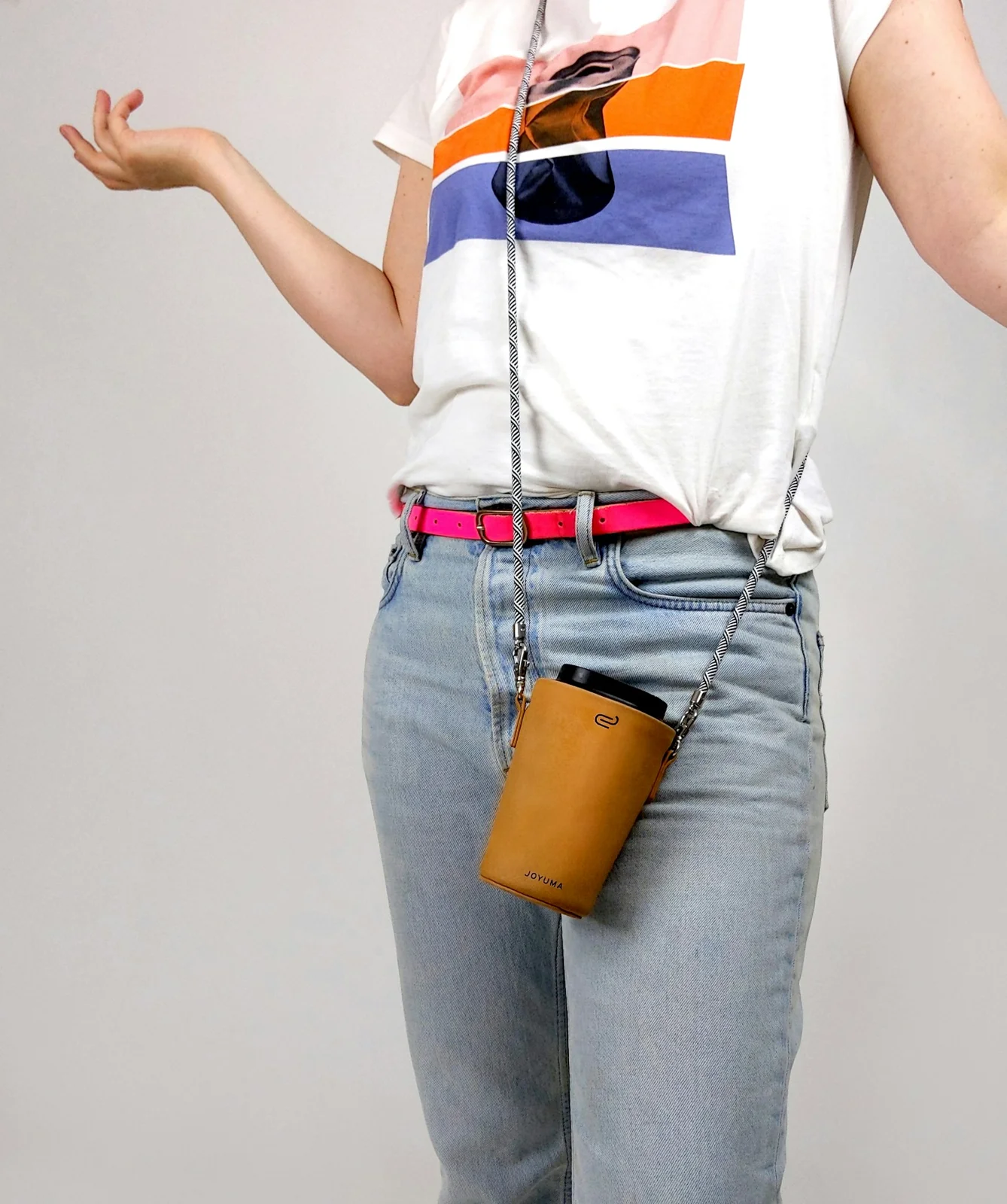
A Coffee-Run Outfit That Can Handle the Rest of Your Morning
A Coffee-Run Outfit That Can Handle the Rest of Your Morning. Practical fit checks, outfit decisions and buying advice for everyday life.
Read the story →
Rainy-Day Dressing Without a Wardrobe Overhaul
Rainy-Day Dressing Without a Wardrobe Overhaul. Practical fit checks, outfit decisions and buying advice for everyday life.
Read the story →